

← All products01 / 07
JudgeMySound & Tringa
Melodies generated from existing songs.
Role
Founder, engineer; later a team of threeAug 2015 – May 2018
Status
My first company
In numbers
10,000 melodies rated by 5,000 people in 2 weeks · a 2,000-line editor
Hosted on
A VPS
Stack
MATLAB → Python, NumPyDjangoJavaScript canvasWeb AudioWebMIDIKubernetes
The problem
It started as a question: can an algorithm generate melodies people actually like? Then: can it help producers, and later, can it get music back into primary schools?
What I built
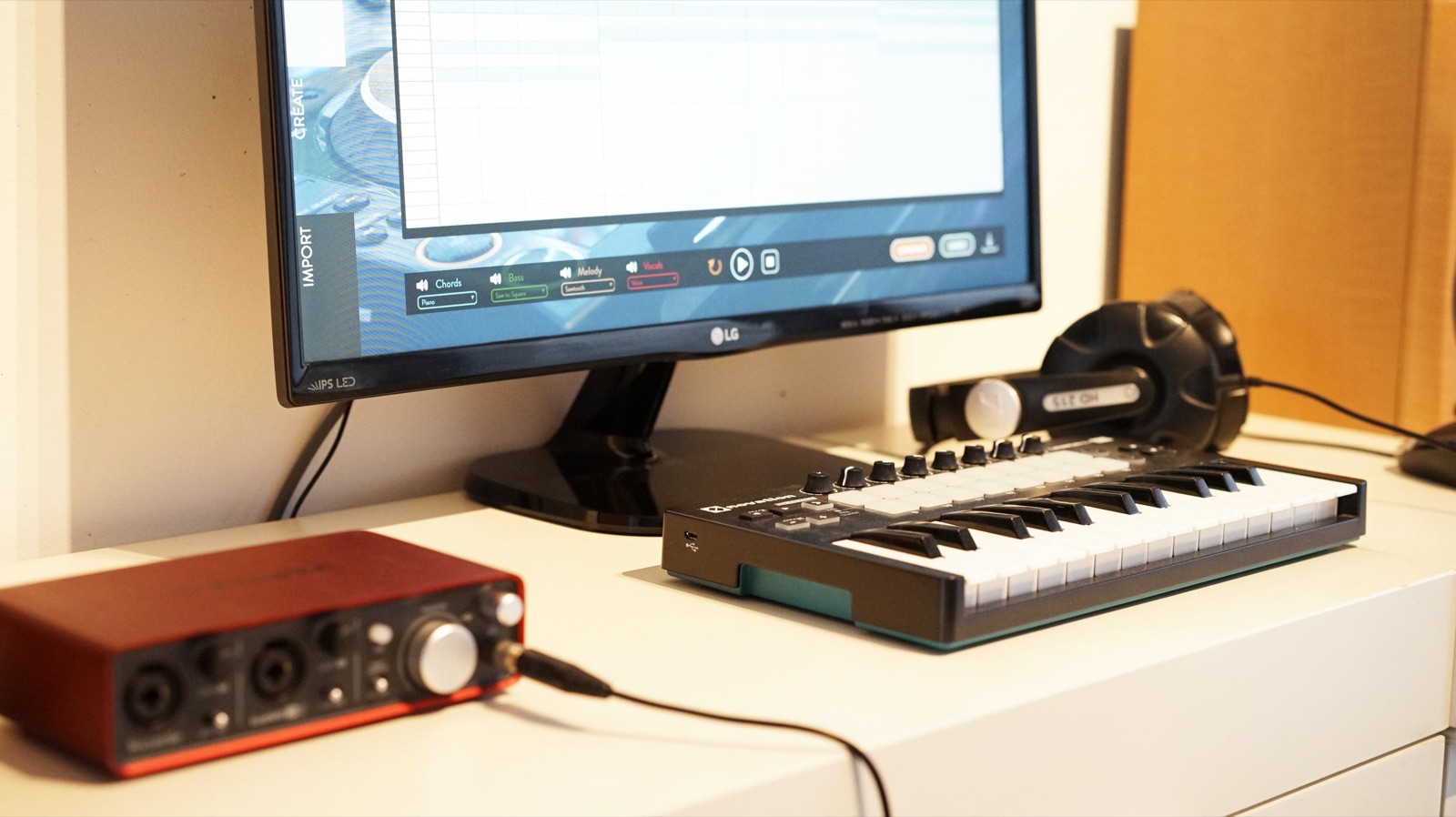
A melody generator built on the statistics of existing songs. A rating site, a neural network, a producer app, then a full web editor with its own sounds. Pivoted into Tringa, a song tool for kids with paid school workshops.
Outcome
Producers were impressed and would not pay; schools loved it and could not pay. The basis for everything after it. The full story, with videos →
"People who say they will pay may only be saying it to please you." The Mom Test, learned the hard way.what I took from it
How it was built
Decisions
- Imported melodies are reduced to statistics: scale, chord progressions, chord rhythm, note transitions. Every generated note is a weighted draw from them; at least three songs are needed.
- Chords first, then a bass that fits the chords, then a melody over both.
- A 2,000-line canvas editor with WebMIDI playback, so producers could edit every note instead of taking the generator's word for it.
Timeline
- 2015MATLAB generator, rating site, neural network
- 2016Statistics from existing songs; thesis at TU Delft
- 2017Python app, then the web editor
- 2018Tringa for schools, paid workshops; wound down in May